The #1 Fat-Burning Trick Your Walk Is Missing
by Kathy Smith
Whether you want to torch calories, boost energy levels, or shed some extra weight for swimsuit season, walking is the perfect workout for you. But if you want to torch massive amounts of calories, your walk NEEDS to include periodization.
Periodization is a proven, scientific method of training that elite athletes use in order to “peak” just before big events.
In simple terms, periodization is a valuable tool that can help you get the most out of your exercise program especially if you’ve hit a “plateau” — the place where though you continue to work out, you stop seeing progress. Periodization works by varying one or more of the three key aspects of your workout — length, activity and intensity. By changing what you ask your body to do, periodization challenges you so you keep making fitness progress.
Think of periodization as your personal training secret. You can apply the first two concepts of periodization (length and intensity) to most aerobic activities by simply adapting the following walking guidelines to the activity of your choice.
Changing the aerobic activity itself is also a form of periodization and it now referred to as cross-training. It too can lift you off of a plateau. I’ve used this technique over the years when I want to increase my fitness level, break the monotony of doing the same routine, and get off a plateau. Remember, you can use this periodization plan with any aerobic activity.
Let’s get started with a 30-minute fat-burning walk for aerobic activity.
- 5 minute Warm-Up Pace
- 3 minute Aerobic Interval
- 3 minute Recovery Interval - Catch your breath and get ready for the next interval!
- 3 minute Aerobic Interval
- 3 minute Recovery Interval
- 1 minute Anaerobic Interval - For one minute, walk as fast as you possibly can! On a scale from 1-10, you should be pushing yourself from a 7-9.
- 3 minute Recovery Interval
- 1 minute Anaerobic Interval
- 3 minute Recovery Interval
- 1 minute Anaerobic Interval
- 3 minute Recovery Interval
- 5 minutes Cool-Down Pace
Purchase Kathy Smith's Fat Burning Walking Workout HERE.
This workout is designed as an advanced program to increase your aerobic fitness level as you go faster. And of course, it burns a ton of calories! This calorie-torcher is a reasonably strenuous program, for even the fittest people, because it uses ANAEROBIC INTERVALS to challenge you. Anaerobic intervals are short, intense exercise periods that really push you to the next level of fitness.
The word “aerobic” means “with oxygen”. Aerobic exercises are those that use continuous motion for an extended period of time such as jogging, cycling, walking, etc.
The word “anaerobic” means “without sufficient oxygen”. Anaerobic exercises are more intense but of a shorter duration. They quickly push you past your aerobic threshold leaving you breathless. Some examples are weight training, sprinting, or short but intense periods of typical aerobic activities.
Begin your Fat Burning Walk with a 5-10 minute warm-up, building to a steady-state pace. Then do two cycles of AEROBIC INTERVALS — three minutes of pushing slightly more than your steady-state, followed by three minutes of recovery (at a moderate level).
Now you’re ready for an ANAEROBIC INTERVAL: Walk as fast as you possibly can for one minute. On your perceived exertion scale, you’ll get up to the 7-9 level during the fast part of the interval. Then drop down to a brisk, moderate pace fot he three-minute RECOVERY INTERVAL.
By design, the one-minute anaerobic interval should pus you to your maximum effort. No holding back!
The three-minute recovery allows you to catch your breath a bit..and get ready for your next interval.
Make it a goal to do three to five cycles of these anaerobic intervals. Finish wit ha cool down at a steady pace for the remainder of your workout time.
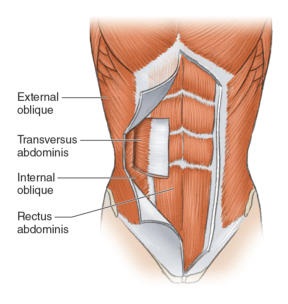
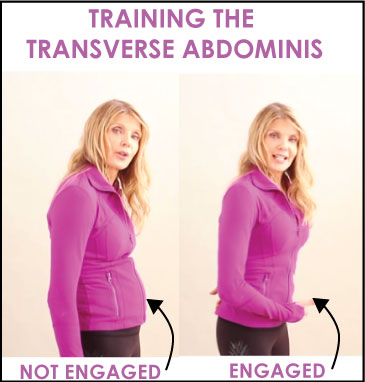
 There’s more to killer abs than just exercise and abdominal crunches. Turns out that there’s a direct relationship between a healthy digestive system and your overall look, too. Not only does what you eat affect whether or not you pack on pounds, but what you eat can also impact how your digestive system works, how it processes and eliminates waste effectively, as well as how it helps support the surrounding muscles and tissue.
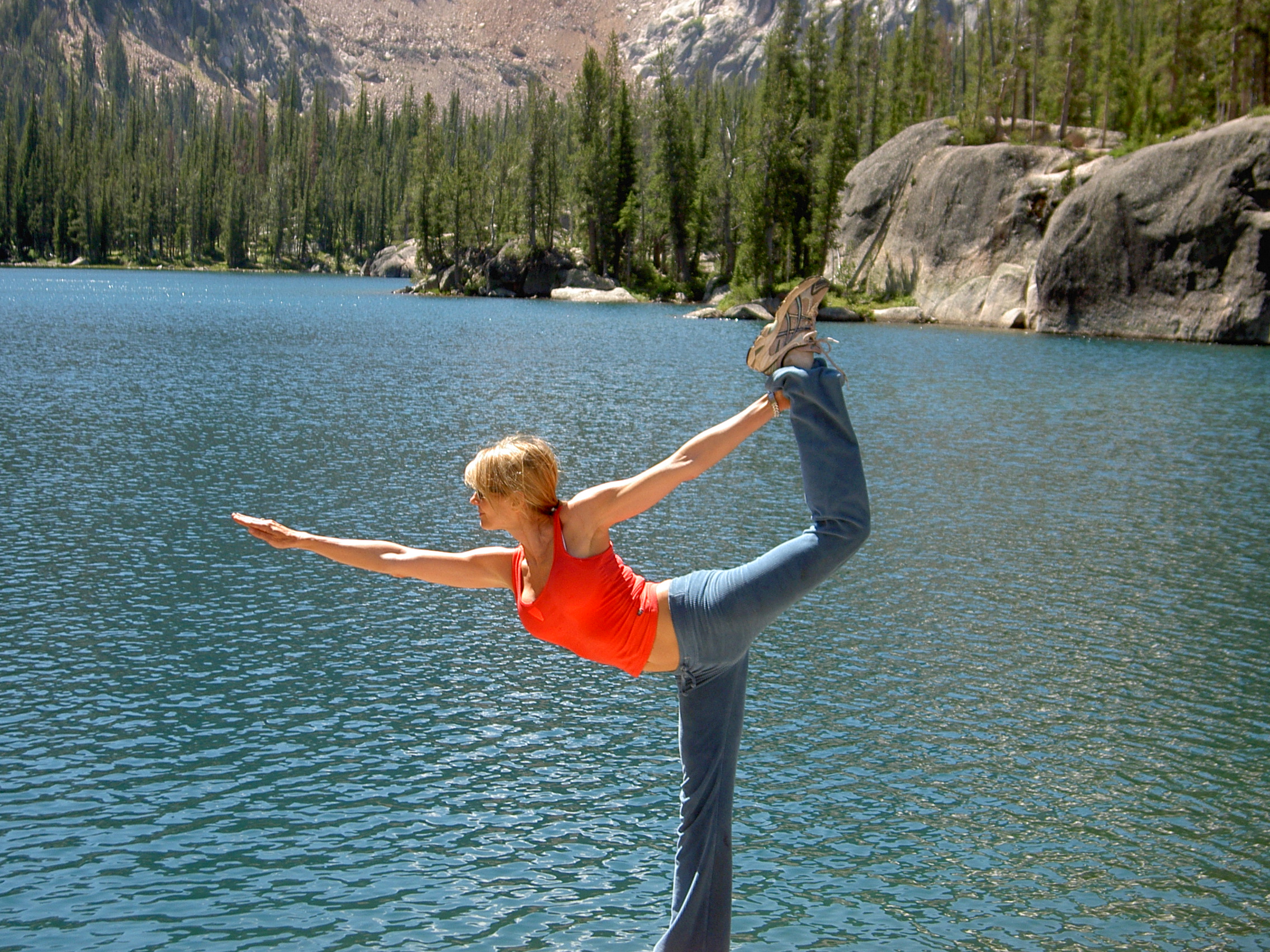



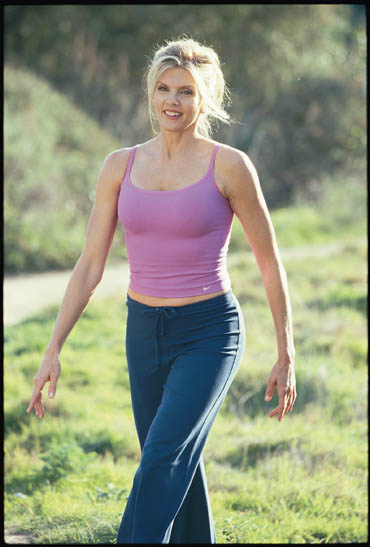 To increase your walking speed, try to make your feet land one in front of another (rather than walking with them parallel), so you’re walking in a straight line. Now you’ll need to add imagination into the mix. If you were walking on an actual line, just the inside of your foot (the instep) would touch the line: Your feet shouldn’t cross over. Check yourself by walking an actual line: a painted lane line on a track or a crack in the pavement, for example. Feel the rhythm you’re creating? “Walking the line” forces you to rotate your pelvis and extend your hips slightly, which lengthens your stride a little. At faster speeds, you’ll get some front-to-back rotation in your pelvis. Don’t consciously try to waggle your hips or exaggerate the motion, let your body move naturally. Just align your footsteps, leading with your heels, and stay loose in your pelvis as your hips follow where your legs lead.